Now Reading: Malawi Raises Fuel Prices by Over 40% as Automatic Pricing Mechanism Takes Effect
-
01
Malawi Raises Fuel Prices by Over 40% as Automatic Pricing Mechanism Takes Effect

Malawi Raises Fuel Prices by Over 40% as Automatic Pricing Mechanism Takes Effect

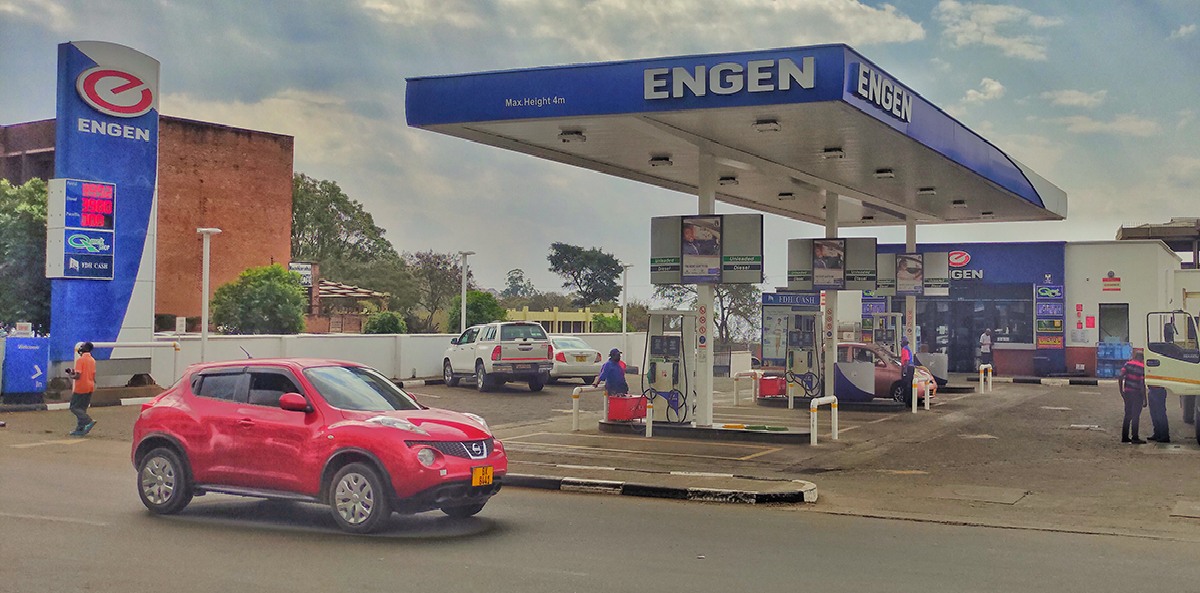
Lilongwe, Malawi — Malawi’s fuel prices have increased by more than 40%, following a decision by the Malawi Energy Regulatory Authority (MERA) to move away from a fixed pricing system and implement an automatic fuel pricing mechanism.
In a statement released on Tuesday, MERA announced a 41.3% increase in diesel prices and a 41.9% rise in petrol prices, citing the need to stabilise the country’s fuel supply and address financial losses incurred under the previous pricing model.
According to the regulator, the fixed fuel pricing framework used by the former administration was “unsustainable” and had resulted in significant operational and financial challenges within the energy sector.
The latest adjustment marks the second fuel price hike in four months, bringing the total increase since President Peter Mutharika returned to office in October to 95% for petrol and 80% for diesel.
MERA said the adoption of an automatic pricing mechanism would allow fuel prices to better reflect international fuel procurement and shipping costs, ensuring consistent supply and improved sector sustainability.
Acting MERA Chief Executive Officer Dad Chinthambi said the increase was necessary to support critical national infrastructure and services.
“The adjustment is essential to ensure sustainable fuel supply, electricity services, and the proper remittance of levies that fund road maintenance and rural electrification projects,” Chinthambi said.
The announcement has sparked concern among civil society groups and economic commentators, who warn that higher fuel costs could accelerate inflation and deepen the cost-of-living crisis.
“Fuel is not a luxury commodity. Any increase has a cascading effect on the cost of living,” the Human Rights Defenders Coalition said in a statement.
Transport operators in several regions have already announced fare increases, while prices of food and other essential goods are expected to rise in the coming weeks.
The government is currently working to stabilise Malawi’s economy and is engaged in discussions with the International Monetary Fund over a new financial support package.
While fuel availability has improved in recent months following chronic shortages under the previous administration, public reaction to the price hike has been mixed, with many Malawians expressing disappointment through social media and radio phone-in programmes