Now Reading: Kenya Broadens Tourism Identity, Eyeing Growth in Medical Travel
-
01
Kenya Broadens Tourism Identity, Eyeing Growth in Medical Travel

Kenya Broadens Tourism Identity, Eyeing Growth in Medical Travel

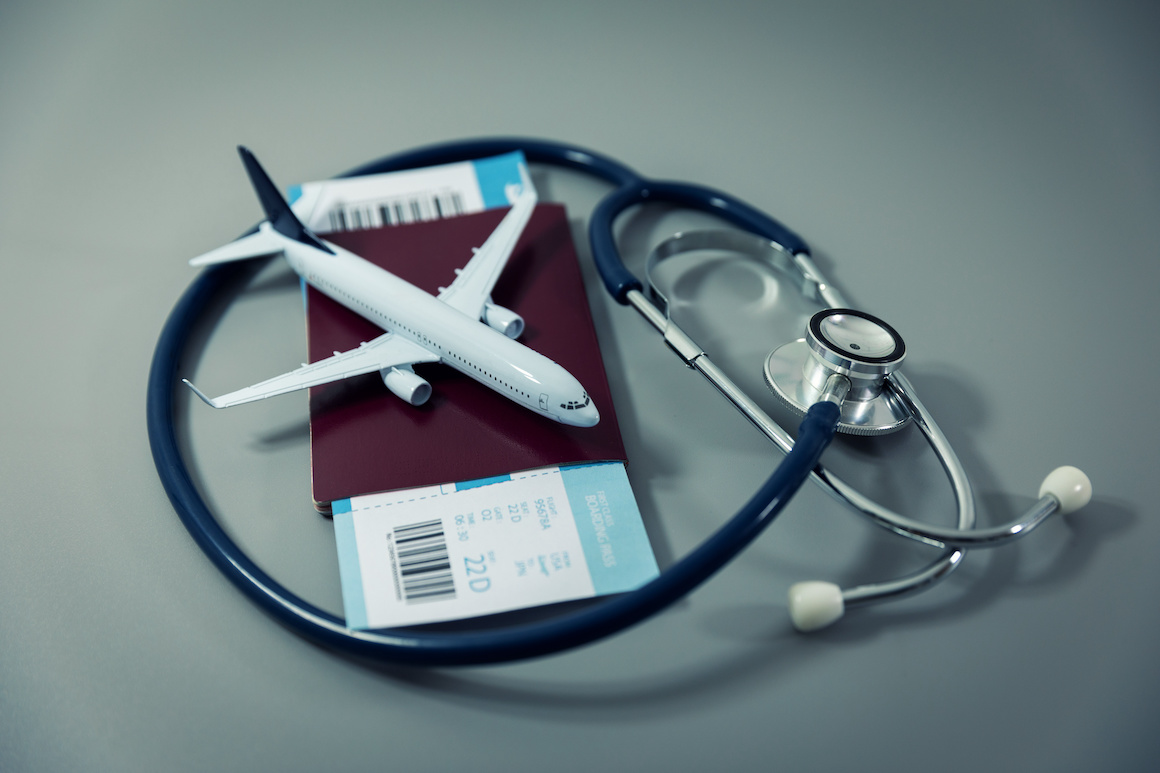
Nairobi, Kenya – For decades, Kenya’s global tourism brand has been defined by vast savannahs, world‑class wildlife safaris, and a coastline that draws visitors from across the world. Today, the country is expanding its narrative with a growing focus on medical tourism — promoting itself not just as a destination for leisure, but also as a destination for quality, cost‑competitive healthcare services.
The strategy comes amid increasing investment in healthcare infrastructure, coordinated government marketing, and strengthening partnerships between travel industry stakeholders and medical facilities. With these elements in place, Kenya is positioning itself as an emerging healthcare hub for international patients, particularly from neighbouring countries and the African diaspora.
From Safari to Specialist Care
The concept of medical tourism is rooted in patients travelling across borders to access medical care that is either more affordable, faster, or of higher quality than what is available at home. Kenya’s push into this sector is part of a broader effort to diversify its tourism economy beyond wildlife and beach vacations.
Kenya’s private healthcare sector includes a number of internationally accredited hospitals, specialized treatment centres and clinics staffed by English‑speaking health professionals — factors that appeal to medical tourists. Locations such as Nairobi and Mombasa have facilities offering services in areas including cardiology, orthopaedics, fertility treatments, cosmetic procedures and cancer care.
Healthcare costs in Kenya, while higher than in some neighbouring markets, can still be more affordable than in Western countries, and waiting times are often shorter, creating advantages for patients seeking timely care without the expense of international travel to destinations outside Africa.
Infrastructure and Strategic Partnerships
The growth of medical tourism in Kenya is being supported by investments in clinical infrastructure and partnerships across sectors. Some hospitals have sought international accreditation — including Joint Commission International (JCI) recognition, which signals adherence to global quality standards. These certifications make Kenya more credible and attractive to patients from outside the country who are weighing healthcare options.
The tourism ecosystem is also adapting. Airlines and hospitality providers are increasingly aware that medical tourists may travel with companions and require extended stays, specialised accommodations, or easy access to healthcare facilities. This has encouraged some travel and hospitality groups to develop products and services tailored to medical travel, blending treatment access with comfort and convenience.
Role of Travel Agents in Medical Tourism
Unlike traditional leisure tourism, medical travel requires additional coordination — from aligning medical appointments with flight itineraries to managing accommodations during recovery, handling visa requirements, and clarifying treatment costs. Here, travel agents are playing a crucial facilitation role.
Experienced agents are helping patients navigate complex planning, including comparing hospital options, facilitating communication with healthcare providers, and organising logistics like transportation and lodging close to treatment centres. In some cases, travel agencies are collaborating directly with hospitals to create bundled medical‑plus‑travel packages, offering patients and their families improved certainty and convenience.
By acting as navigators and advocates, travel professionals are enhancing the overall patient experience and opening pathways for Kenya to attract a wider base of international healthcare travellers.
Economic and Social Impact
Medical tourism carries significant implications beyond healthcare. As patient volumes grow, there is increased demand for airline travel, hotel stays, local transportation and ancillary tourism services. Many medical travellers bring companions who may participate in leisure activities during their stay, contributing additional revenue to local economies.
The competitive environment also promotes improvements in Kenya’s healthcare system. Hospitals seeking to attract international patients often invest in technology upgrades, staff training and quality assurance protocols — developments that can elevate standards for both local and international patients.
A Growing Sector in a Converging Landscape
Kenya’s pursuit of medical tourism reflects a broader trend across the region, where countries such as South Africa, Nigeria and Egypt are also investing in healthcare facilities to attract international patients. In Kenya’s case, the combination of existing tourism infrastructure, a growing middle class with increasing health expectations, and proactive engagement by both public and private sectors creates fertile ground for expansion.
For travel professionals, the rise of medical tourism offers both opportunities and responsibilities. Agents who can combine logistical expertise with clear information and empathetic support stand to become pivotal players in a sector that demands both precision and trust.
As Kenya continues to project its strengths on the global stage, the collaboration between healthcare providers, travel professionals and policymakers will be a key determinant of how successfully the country transforms its potential into long‑term, sustainable growth — turning journeys of necessity into experiences marked by confidence, care and connection.