Now Reading: Zambia’s Kwacha Becomes Top-Performing Currency as Policy, Copper Exports and IMF Support Boost Confidence
-
01
Zambia’s Kwacha Becomes Top-Performing Currency as Policy, Copper Exports and IMF Support Boost Confidence

Zambia’s Kwacha Becomes Top-Performing Currency as Policy, Copper Exports and IMF Support Boost Confidence


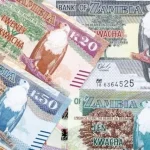
Lusaka, Zambia – Zambia’s kwacha has emerged as one of the best-performing currencies in the world, gaining more than 10 % against the U.S. dollar in recent weeks and outperforming other major currencies tracked by Bloomberg. The rally, which has extended into early 2026, reflects a unique combination of policy intervention, improved economic fundamentals and robust export earnings.
Analysts say this latest upswing is different from previous rallies because it is underpinned by structural policy changes, active central bank measures and significant developments in Zambia’s key export sector, particularly copper.
Policy Shifts: Reducing Reliance on Dollars
Central to the kwacha’s strength is a directive issued by the Bank of Zambia and fiscal authorities late last year that discouraged reliance on U.S. dollars for domestic transactions and foreign exchange settlements. Corporates responded by converting foreign exchange holdings into kwacha to settle tax and operational obligations, driving up demand for the local currency.
While Zambia has not outright banned the use of U.S. dollars, officials have signalled a clear preference for the local currency in domestic economic life, tightening foreign exchange norms and encouraging organisations to minimise dollar usage where possible. Market participants say this has been a significant factor behind the kwacha’s rapid appreciation.
Copper Exports and Foreign Exchange Inflows
Zambia’s economy is closely tied to the fortunes of its copper industry, which accounts for a large share of export revenues. Higher global copper prices and increased production have strengthened foreign exchange inflows, providing support for the kwacha. In 2025, mining investment commitments from major firms like Barrick Gold and First Quantum Minerals are driving expansion and bolstering confidence in the export sector.
Improved copper earnings have reinforced Zambia’s external sector, helping to meet foreign currency needs without placing excessive downward pressure on the kwacha. This has coincided with better liquidity conditions and renewed investor confidence, contributing to a firmer exchange rate.
Inflation, Monetary Policy, and Economic Stability
The kwacha’s strength comes with broader economic effects. Inflation has eased significantly, with consumer price growth slowing to one of the lowest levels in over a year, helping stabilise living costs for households and business planning.
The Bank of Zambia has maintained a cautious monetary stance, focusing on tight liquidity controls and measures to discourage speculative currency trading that could undermine stability. These efforts have helped contain volatility while boosting confidence in macroeconomic management.
China’s Role: Yuan Payments for Mining Taxes
In a separate but related development, Zambia has become one of the first African countries to allow some mining taxes and royalties to be paid in Chinese yuan (renminbi). This shift, confirmed by the government, aims to reduce foreign exchange transaction costs and align tax settlement more closely with how mining revenues are earned, especially from Chinese buyers.
Finance officials clarified that this policy is targeted and limited — it does not replace the kwacha as the main legal tender but provides practical flexibility in foreign exchange management given China’s role as Zambia’s largest creditor and trade partner.
Risks and the Road Ahead
Despite strong gains, economists say the kwacha’s rally faces risks if dollar demand surges, particularly from importers or investors seeking hard currency, or if external financing requirements change abruptly. Analysts warn that near-term tests, such as impending corporate dollar demand and bond repayments, could challenge the currency’s momentum.
Moreover, while improved foreign exchange reserves and tighter policy have cushioned the kwacha, maintaining gains will require sustained export performance, continued reform momentum and careful balancing of economic objectives.